

Apr . 09, 2026 02:05
Back to list
Industrial Bag Closer Machine with Conveyor System for Efficiency
Maximizing Efficiency with a Bag Closer Machine with Conveyor System
In the fast-paced world of industrial packaging, efficiency and consistency are the cornerstones of profitability. A bag closer machine with conveyor system represents the pinnacle of automated sealing solutions, combining a heavy-duty sewing head with a synchronized transport mechanism. This integration eliminates the bottlenecks associated with manual bagging, reducing labor costs and minimizing human error. Whether you are packaging animal feed, chemicals, or grains, investing in an automated system ensures that every bag is sealed with professional precision. In this guide, we will explore how this system transforms production lines and why it is a critical asset for modern warehouses.
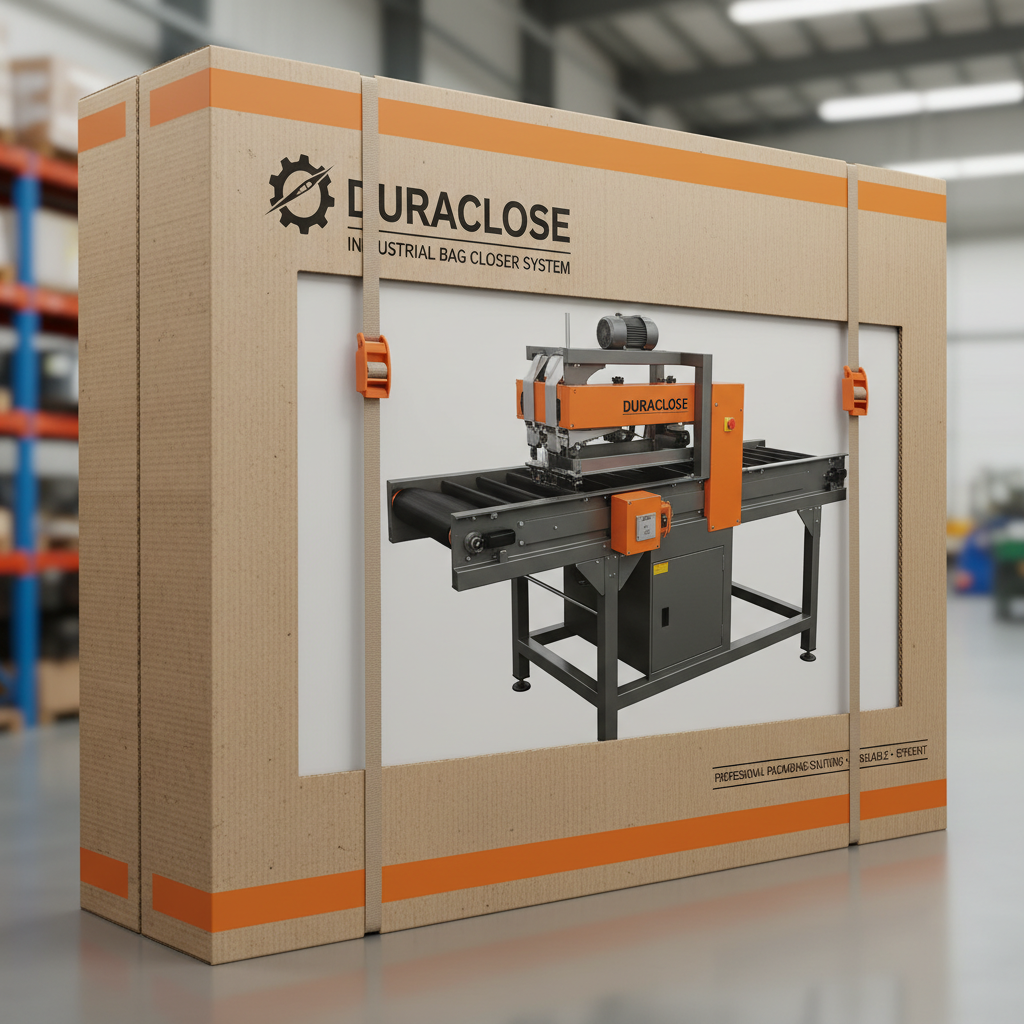
The Core Components of an Integrated Bagging System
An industrial-grade bag closer machine with conveyor system consists of several synergistic parts. First is the industrial sewing head, designed for high-speed chain stitching that creates a leak-proof seal. Second is the conveyor belt, which transports the filled bags from the filling station directly to the sewing head. Third is the automatic trimming device, which cuts the thread precisely after the seal is complete. By automating the movement of the bag, the operator only needs to guide the bag into the head, significantly increasing the bags-per-hour throughput. This streamlined workflow reduces physical strain on workers and ensures a uniform seal every time.
System Highlight: The integration of a variable speed conveyor allows operators to match the bagging speed with the filling machine's output, preventing pile-ups and ensuring a smooth, continuous production flow.
Operational Benefits of a Bag Closer Machine with Conveyor System
The primary advantage of implementing a bag closer machine with conveyor system is the dramatic increase in operational throughput. Manual sewing requires the operator to lift and maneuver heavy bags, which is not only slow but also leads to fatigue and potential workplace injuries. With a conveyor system, the weight is supported by the belt, allowing the operator to focus solely on the alignment. Furthermore, the consistent tension provided by the conveyor ensures that the stitch length remains uniform, which is vital for maintaining the integrity of the package during shipping and handling. This leads to fewer rejected batches and higher customer satisfaction.
Key Efficiency Gains:
• Reduced Labor: Lower headcount required for the sealing phase.
• Higher Speed: Up to 3x faster than purely manual closing methods.
• Consistent Quality: Eliminates variations in stitch density.
• Ergonomic Safety: Minimizes heavy lifting for warehouse staff.
Comparison: Manual Closing vs. Automated Conveyor Systems
When deciding whether to upgrade, it is essential to compare the long-term value of an automated bag closer machine with conveyor system against traditional handheld methods. While manual machines have a lower initial cost, they carry hidden costs in the form of slower production and higher labor turnover. Automated systems offer a scalable solution that can grow with your business. The following table illustrates the clear differences in performance and cost-efficiency.
Versatile Applications Across Different Industries
The flexibility of the bag closer machine with conveyor system allows it to be adapted for various materials and bag types. In the agriculture sector, it is used for sealing heavy sacks of seeds and fertilizer. In the food industry, it ensures that flour and sugar bags are airtight and secure. Additionally, the chemical industry utilizes these systems for bagging powders and resins where dust control and speed are paramount. Because the conveyor can be customized in length and width, the system fits seamlessly into existing assembly lines regardless of the facility's size.
Technical Specifications for Industrial Bagging Systems
When selecting a bag closer machine with conveyor system, understanding the technical parameters is key to ensuring compatibility with your production goals. From the motor power of the conveyor to the stitch speed of the head, every detail impacts the final output. Most industrial systems are built with stainless steel or powder-coated carbon steel to withstand harsh environments. Below are the typical specifications you can expect from a high-performance system.
Conclusion: Streamlining Your Packaging with Longsew
Integrating a bag closer machine with conveyor system is one of the most effective ways to modernize a packaging line. By combining the precision of industrial sewing with the efficiency of automated transport, businesses can achieve higher output, better quality control, and a safer work environment. Whether you are looking to scale your production or reduce operational overhead, this system provides a robust and reliable solution. Invest in quality automation today to secure your competitive edge in the global market.
Frequently Asked Questions (FAQs)
Can the conveyor system be customized for specific bag sizes?
Yes, most industrial bagging systems are highly customizable. The width of the conveyor belt can be adjusted to accommodate narrow bags or wide sacks, and the length can be modified to fit the specific layout of your warehouse. Additionally, the height of the sewing head can often be adjusted to ensure the bag enters the machine at the perfect angle, regardless of its volume or shape. This flexibility makes it an ideal choice for businesses that handle multiple product lines.
How much maintenance does a bag closer with conveyor require?
Routine maintenance is straightforward but essential for longevity. The sewing head requires regular lubrication and periodic needle replacement to avoid fabric tearing. The conveyor belt should be checked for tension and cleanliness to prevent slippage or contamination of the bags. We recommend a weekly inspection of the drive chain and a monthly deep clean of the stitching area. With basic care, these systems are designed to operate for years under heavy industrial loads.
Is it difficult to train staff to use the automated system?
Not at all. In fact, the learning curve for a bag closer machine with conveyor system is significantly shorter than that of a manual handheld machine. Because the conveyor handles the heavy lifting and positioning, the operator only needs to learn how to guide the bag and manage the start/stop controls. Most staff can become fully proficient within a few hours of on-site training, leading to an almost immediate increase in production speed.
Does the system support different types of sewing threads?
Absolutely. The industrial sewing heads used in these systems are designed to work with a wide variety of threads, including heavy-duty polyester, cotton, and reinforced nylon. Depending on the material of your bags—whether they are woven polypropylene, paper, or burlap—you can choose a thread that provides the necessary strength and durability. The tension settings can be adjusted to ensure the thread integrates perfectly with the bag material without causing punctures.
Latest news
-
Industrial Bag Sewing Machine Price and Comprehensive Buying GuideNewsApr.16,2026
-
Industrial Hand Held Bag Closer for Efficient Packaging SealingNewsApr.16,2026
-
Industrial Hand Held Bag Closer Sewing Machine for PackagingNewsApr.16,2026
-
Efficient Industrial Bag Closer Sewing Machine for PackagingNewsApr.16,2026
-
Industrial Sewing Guide for Choosing the Right Closer MachineNewsApr.16,2026
-
Guide to Capital Bag Closer Machine Price and Buying FactorsNewsApr.16,2026
-
Say goodbye to inefficient cutting! This heavy-duty webbing hot cutting machine redefines the new standard for industrial cuttingNewsApr.14,2026

Hebei LongSew Machinery Technology Co. Ltd is beginning as sewing machine parts supplier, now Longsew have over twenty years experience in complete set sewing machine offering.


CLASSIFICATION
CONTACT US
-

No.368 North Youyi Street, Shijiazhuang City, Hebei Province, China
-

-

Copyright © 2026 HEBEI LONGSEW MACHINERY TECHNOLOGY CO. LTD All Rights Reserved. Sitemap | Privacy Policy | Top Blog | Global Service