

Mar . 11, 2026 01:55
Back to list
Optimizing Garment Production Through Understanding Overlock Machine Rate
Understanding the Overlock Machine Rate and Optimizing Your Production
In the fast-paced world of garment manufacturing, understanding the overlock machine rate – its efficiency, output, and associated costs – is paramount. This rate directly impacts production timelines, profitability, and overall competitiveness. This article will provide an in-depth look at the factors influencing overlock machine rates, how to calculate them, and strategies to optimize them for maximum efficiency. Whether you're a seasoned apparel manufacturer or new to the industry, a grasp of these concepts is essential for streamlining your operations and achieving superior results.
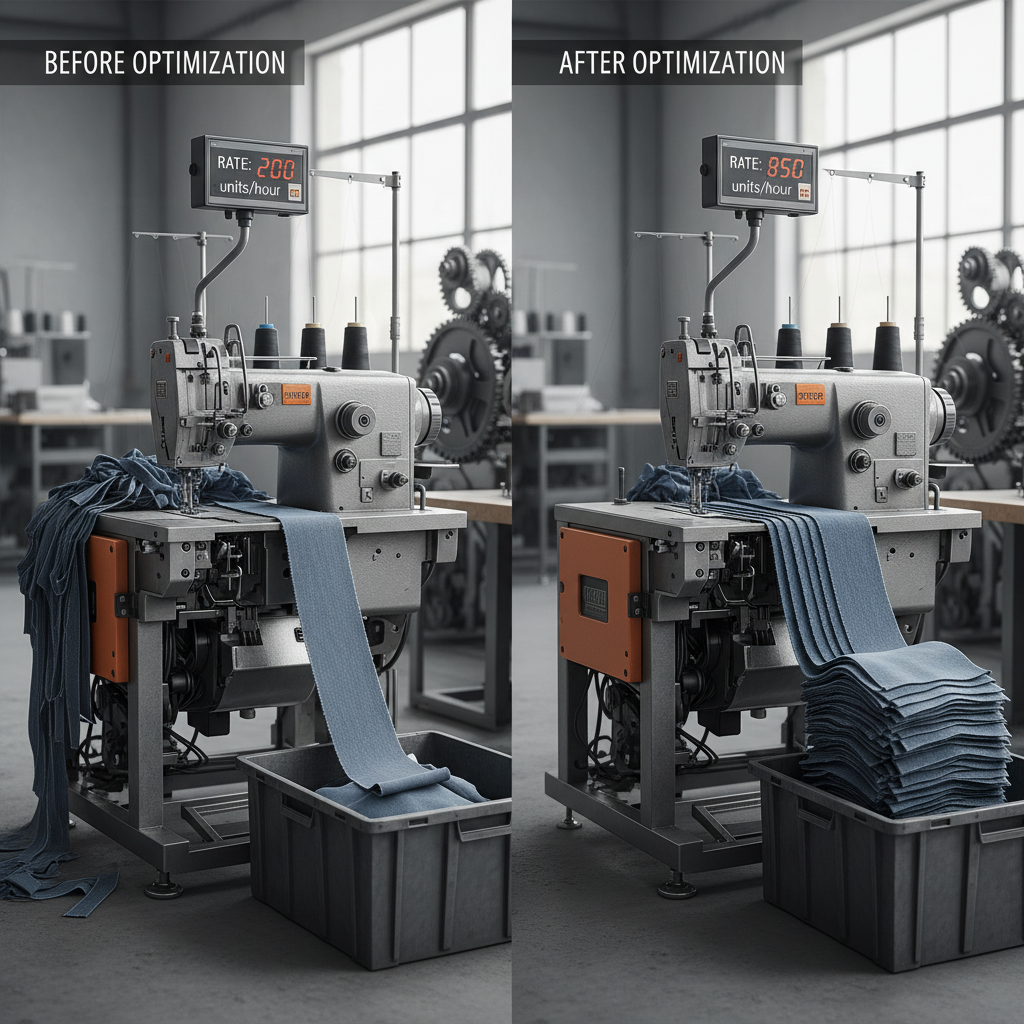
What is the Overlock Machine Rate?
The overlock machine rate isn't a single number, but rather a composite measurement of efficiency. It encompasses several key metrics, including the number of stitches per minute (SPM), the number of garments completed per hour, and the cost associated with operating the machine (labor, electricity, maintenance, and materials). A higher rate generally indicates a more productive and cost-effective operation. Analyzing this rate allows manufacturers to identify bottlenecks, assess operator performance, and make informed decisions about machine upgrades or maintenance schedules. Understanding this rate is essential for pricing strategies and maximizing profit margins. Longsew offers a range of high-performance overlock machines designed to optimize these rates.
Key Components of the Overlock Machine Rate: SPM, garments per hour, labor costs, electricity consumption, maintenance expenses, material waste.
Factors Influencing the Overlock Machine Rate
Several interconnected factors determine the achievable overlock machine rate. Operator skill is arguably the most significant; a well-trained and experienced operator will consistently achieve higher output with fewer errors. Machine condition is equally crucial - regular maintenance, timely repairs, and the use of high-quality parts are essential. The type of fabric being processed also plays a role, as some materials are more challenging to overlock than others. Furthermore, the complexity of the seam design and the overall workflow organization within the production facility can significantly impact the rate. Finally, the machine's specifications, such as its SPM capabilities and the type of feed mechanism, directly affect its potential output.
Key Influencing Factors:
• Operator Skill and Experience
• Machine Condition and Maintenance
• Fabric Type and Weight
• Seam Complexity
• Workflow Organization
Calculating the Overlock Machine Rate: A Practical Guide
Calculating the overlock machine rate requires a systematic approach. First, determine the total cost of operating the machine for a specific period (e.g., an 8-hour shift). This includes labor costs (operator wages), electricity consumption (calculated based on machine wattage and usage time), maintenance expenses (routine servicing and repairs), and material costs (thread consumption). Next, calculate the total number of garments completed during that same period. Finally, divide the total cost by the number of garments to arrive at the cost per garment. This provides a clear picture of the machine’s efficiency and profitability.
Optimizing Your Overlock Machine Rate: Strategies for Success
Improving your overlock machine rate requires a multifaceted strategy. Investing in operator training is paramount – skilled operators are more efficient and produce fewer errors. Implementing a preventative maintenance program ensures machines are running at peak performance. Streamlining the production workflow and minimizing material handling can also significantly increase efficiency. Choosing the right overlock machine for your specific needs is also crucial – Longsew's range of machines cater to diverse fabric types and production volumes. Finally, continuously monitoring and analyzing performance data allows you to identify areas for improvement and refine your processes.
The Role of Modern Overlock Machines
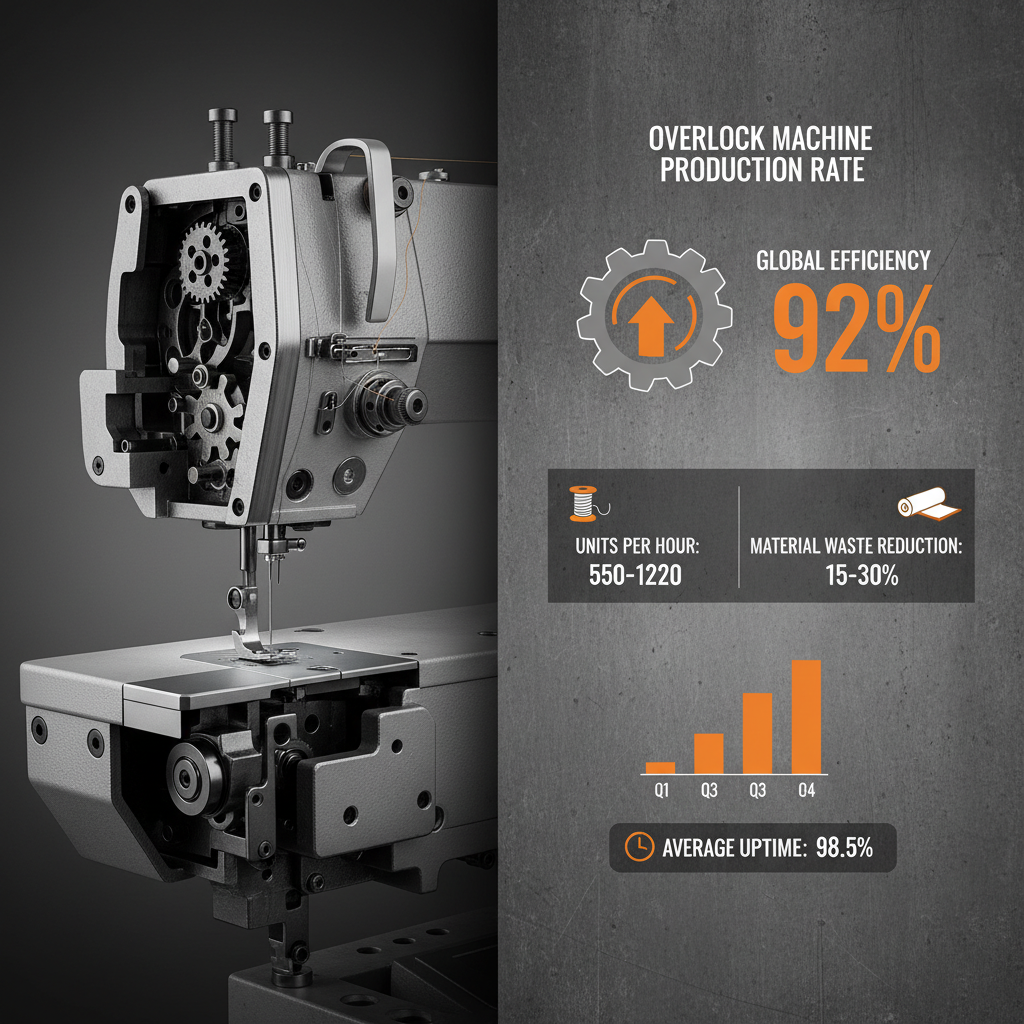
Modern overlock machines, like those offered by Longsew, incorporate advanced technologies designed to maximize efficiency and minimize downtime. These features include automatic thread trimming, programmable stitch patterns, and self-lubrication systems. Direct drive motors offer precise control and energy efficiency, while robust construction ensures long-term reliability. Investing in a modern, high-performance overlock machine can yield significant returns in terms of increased production rates and reduced operating costs.
Conclusion: Mastering the Overlock Machine Rate for Sustainable Growth
Understanding and actively managing the overlock machine rate is critical for success in today's competitive apparel manufacturing landscape. By focusing on operator training, machine maintenance, workflow optimization, and investing in advanced technology, you can unlock significant improvements in efficiency, reduce costs, and achieve sustainable growth.
Frequently Asked Questions (FAQs)
What is a good overlock machine rate for a beginner operator?
A realistic overlock machine rate for a beginner operator typically ranges from 10-15 garments per hour, depending on the complexity of the seam and the fabric type. This rate will gradually increase with experience and training. Focus should be on consistency and quality over speed initially. Regular feedback and ongoing training are essential for improvement. The goal is to build a solid foundation of skills before prioritizing speed.
How often should an overlock machine be serviced?
An overlock machine should be serviced at least every 6 months, or more frequently if it's used heavily. Regular servicing includes lubrication, cleaning, and inspection of key components. This prevents breakdowns, ensures optimal performance, and extends the machine's lifespan. Following the manufacturer’s recommended maintenance schedule is crucial.
What type of thread is best for maximizing the overlock machine rate?
Using high-quality thread designed specifically for overlock machines is crucial. Polyester thread generally offers superior strength, durability, and lower friction, leading to fewer thread breaks and a higher machine rate. Avoid using cheap or low-quality thread, as it can cause frequent interruptions and reduce efficiency. Choosing the correct thread weight for the fabric is also essential.
How can I reduce thread breakage and improve my overlock machine rate?
Several factors contribute to thread breakage. Ensure the machine is properly threaded, the tension is correctly adjusted, and the needles are in good condition. Use high-quality thread, and choose the appropriate needle type for the fabric. Regularly clean the machine to remove lint and debris. A well-maintained machine with proper settings will significantly reduce thread breakage and improve your overlock machine rate.
Latest news
-
Industrial Bag Sewing Machine Price and Comprehensive Buying GuideNewsApr.16,2026
-
Industrial Hand Held Bag Closer for Efficient Packaging SealingNewsApr.16,2026
-
Industrial Hand Held Bag Closer Sewing Machine for PackagingNewsApr.16,2026
-
Efficient Industrial Bag Closer Sewing Machine for PackagingNewsApr.16,2026
-
Industrial Sewing Guide for Choosing the Right Closer MachineNewsApr.16,2026
-
Guide to Capital Bag Closer Machine Price and Buying FactorsNewsApr.16,2026
-
Say goodbye to inefficient cutting! This heavy-duty webbing hot cutting machine redefines the new standard for industrial cuttingNewsApr.14,2026

Hebei LongSew Machinery Technology Co. Ltd is beginning as sewing machine parts supplier, now Longsew have over twenty years experience in complete set sewing machine offering.


CLASSIFICATION
CONTACT US
-

No.368 North Youyi Street, Shijiazhuang City, Hebei Province, China
-

-

Copyright © 2026 HEBEI LONGSEW MACHINERY TECHNOLOGY CO. LTD All Rights Reserved. Sitemap | Privacy Policy | Top Blog | Global Service