

Mar . 04, 2026 02:05
Back to list
Unlock Industrial Sewing Efficiency with a Long Arm Stitching Machine
Understanding the Power of the Long Arm Stitching Machine
In the dynamic world of industrial sewing, efficiency and precision are paramount. A long arm stitching machine is a crucial tool for handling large-scale projects, offering enhanced maneuverability and control. This article provides an in-depth exploration of these machines, their applications, benefits, and considerations when choosing the right model. Whether you're working with upholstery, automotive interiors, or marine canvas, a long arm sewing machine can dramatically improve your workflow and final product quality. Choosing the correct machine from a reliable provider like Longsew is an investment in your business’s future.
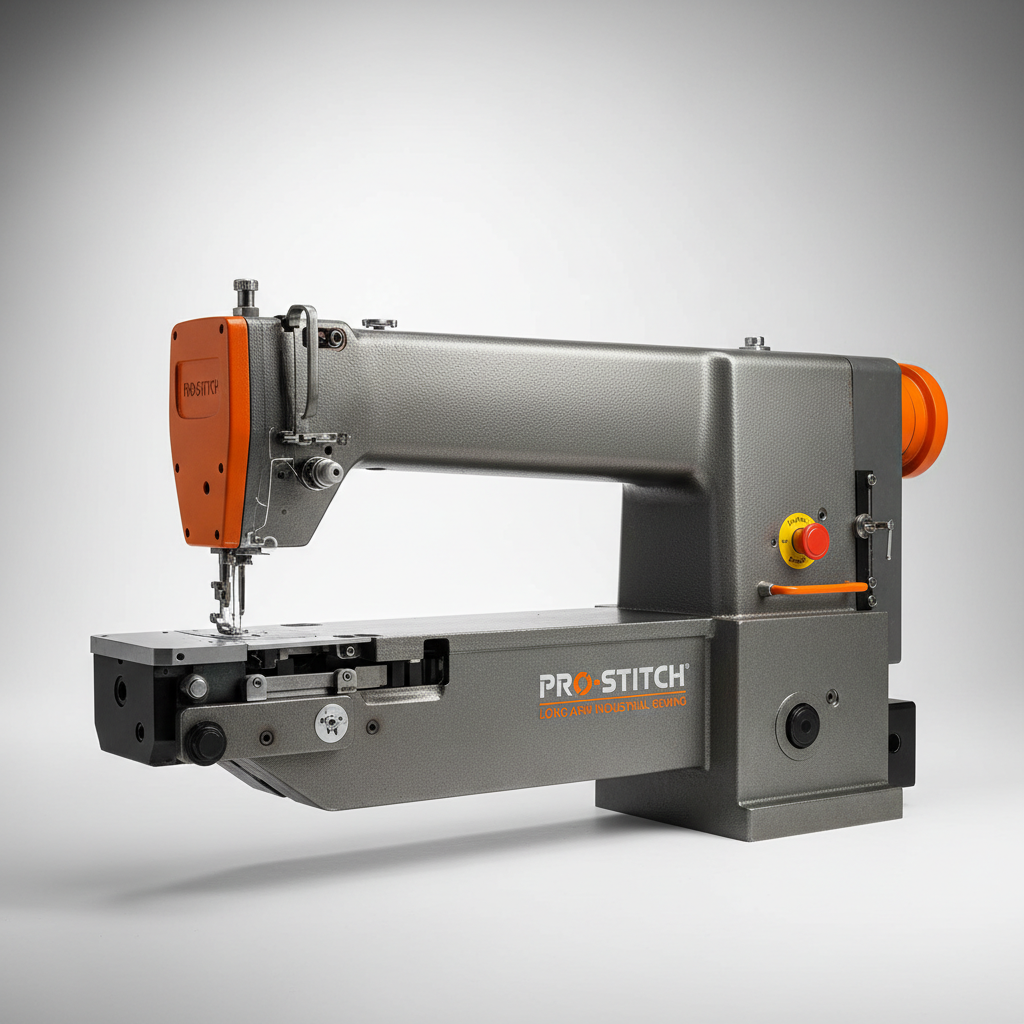
What Exactly is a Long Arm Stitching Machine?
A long arm stitching machine, as the name suggests, is characterized by its extended arm length. This extended arm provides a larger workspace, allowing for easier maneuvering of bulky materials like leather, canvas, and upholstery fabrics. Unlike standard sewing machines, long arm machines are specifically designed to handle large and awkwardly shaped items with ease. They often feature a higher presser foot lift and increased throat space, further facilitating the sewing process. The ability to move the material freely without constantly re-positioning is a significant advantage. Longsew's range of long arm machines caters to diverse industrial needs.
Key Highlights: The extended arm and increased throat space allow for effortless handling of large materials, while the robust construction ensures durability for demanding industrial applications.
Applications of Long Arm Stitching Machines
The versatility of long arm stitching machines makes them indispensable across numerous industries. They are commonly used in upholstery for creating sofas, chairs, and other furniture items. The automotive industry relies on them for sewing car seats, interiors, and convertible tops. Marine applications include crafting boat covers, sails, and upholstery. Other applications include the production of luggage, backpacks, industrial fabrics, and protective gear. The ability to handle heavy-duty materials consistently makes them ideal for these demanding tasks. Longsew provides solutions for all these sectors.
Common Applications:
• Upholstery (sofas, chairs, etc.)
• Automotive Interiors
• Marine Canvas and Upholstery
• Luggage and Backpacks
• Industrial Fabrics
Long Arm Stitching Machine vs. Standard Sewing Machine: A Detailed Comparison
Understanding the key differences between a long arm stitching machine and a standard sewing machine is essential for making the right investment. While a standard machine is suited for smaller projects and lighter fabrics, a long arm machine excels in handling large, bulky materials with greater ease and efficiency. The extended arm provides more clearance and maneuverability, preventing the material from getting caught or compressed. Long arm machines typically also offer more powerful motors and heavier-duty components to handle thicker fabrics and prolonged use. A comparison chart below illustrates these differences.
Key Features to Consider When Purchasing a Long Arm Stitching Machine
Choosing the right long arm stitching machine involves careful consideration of several key features. Look for a machine with adjustable stitch length and width to accommodate different fabric types and project requirements. A powerful motor is essential for handling heavy-duty materials without straining. Consider the presser foot lift height – a higher lift allows for easier handling of thick fabrics. Bobbin capacity is also important, as a larger bobbin means less frequent changes. Finally, the build quality and reliability of the machine are crucial for ensuring long-term performance. Longsew's machines are known for their robust construction and advanced features.
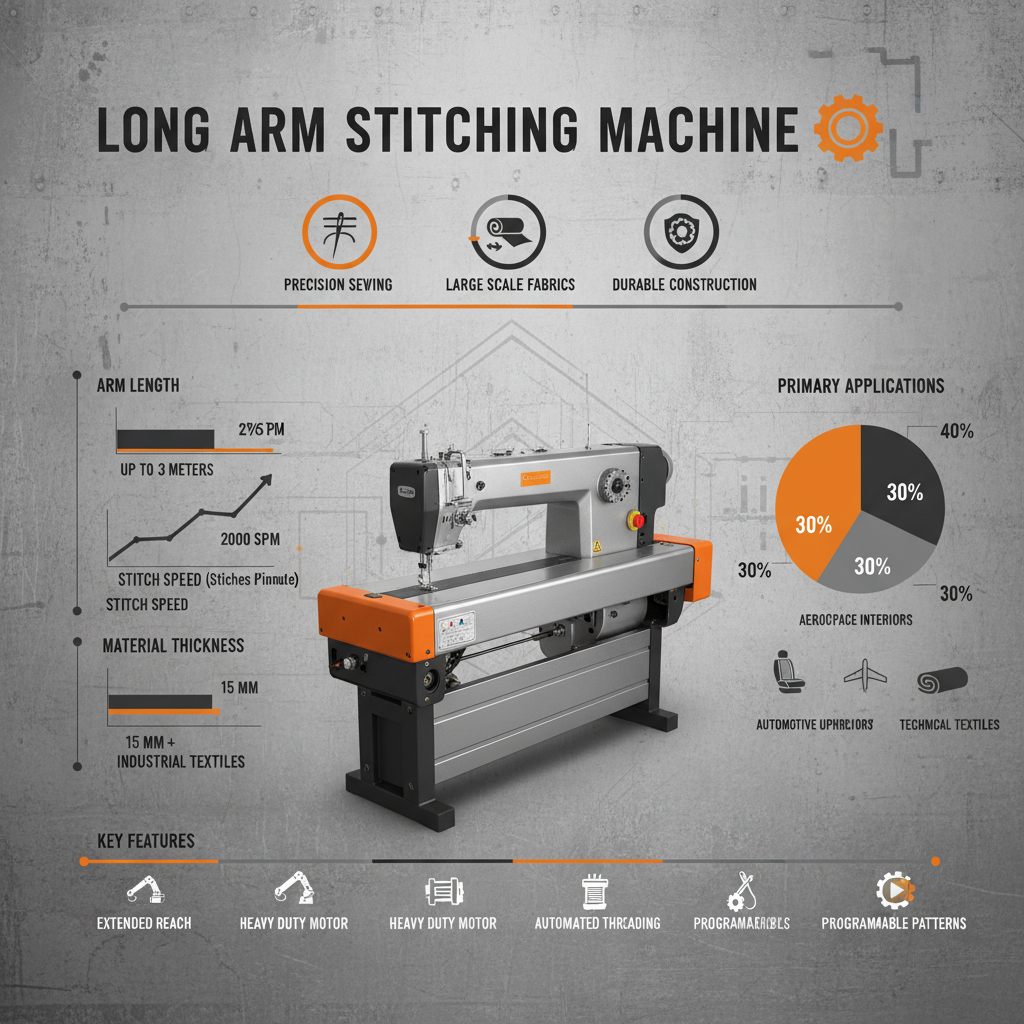
Choosing the Right Longsew Machine for Your Needs
Longsew offers a wide range of long arm stitching machines designed to meet diverse industrial requirements. From heavy-duty models for leatherworking to versatile machines for upholstery and automotive applications, we have a solution for every need. Our team of experts can help you assess your specific requirements and recommend the perfect machine to optimize your workflow and achieve exceptional results. We pride ourselves on delivering high-quality machines, exceptional customer service, and ongoing support.
Conclusion: Invest in Efficiency with a Long Arm Stitching Machine
Investing in a long arm stitching machine from Longsew is an investment in your productivity, quality, and long-term success. By choosing the right machine, you can streamline your operations, handle challenging materials with ease, and deliver superior results. Don't settle for less – choose Longsew for reliability, innovation, and exceptional performance.
Frequently Asked Questions (FAQs)
What types of materials can a long arm stitching machine handle?
Long arm stitching machines are designed to handle a wide range of materials, including leather, canvas, upholstery fabrics, vinyl, and heavy-duty synthetics. They are particularly well-suited for materials that are difficult to maneuver with standard sewing machines due to their bulk or thickness. The extended arm and powerful motor allow for effortless stitching even through multiple layers of fabric. The specific capabilities will depend on the model and its motor power, but generally, long arm machines offer greater versatility than standard machines.
What is the typical cost of a long arm stitching machine?
The cost of a long arm stitching machine can vary significantly depending on its features, capabilities, and brand. Basic models typically start around $1,500, while high-end industrial machines with advanced features can cost upwards of $5,000 or more. Longsew offers a range of machines at different price points to suit various budgets and needs. It’s important to consider the long-term return on investment, as a durable and efficient machine can save you time and money in the long run.
What maintenance is required for a long arm stitching machine?
Regular maintenance is crucial for ensuring the longevity and performance of a long arm stitching machine. This includes regular cleaning to remove dust and debris, lubricating moving parts, and sharpening or replacing needles as needed. It's also important to inspect the machine for any signs of wear or damage and address them promptly. Longsew provides comprehensive maintenance guides and support to help you keep your machine running smoothly. Following these guidelines will prevent costly repairs and extend the machine’s lifespan.
Are long arm stitching machines suitable for home use?
While long arm stitching machines are primarily designed for industrial use, some smaller, more portable models are suitable for experienced home sewers tackling large projects. However, industrial machines generally require more space, power, and expertise to operate and maintain. If you're a hobbyist or occasional user, a standard sewing machine with specialized feet may be a more practical option. For frequent use with heavy materials, a dedicated long arm machine is a worthwhile investment.
Latest news
-
Industrial Bag Sewing Machine Price and Comprehensive Buying GuideNewsApr.16,2026
-
Industrial Hand Held Bag Closer for Efficient Packaging SealingNewsApr.16,2026
-
Industrial Hand Held Bag Closer Sewing Machine for PackagingNewsApr.16,2026
-
Efficient Industrial Bag Closer Sewing Machine for PackagingNewsApr.16,2026
-
Industrial Sewing Guide for Choosing the Right Closer MachineNewsApr.16,2026
-
Guide to Capital Bag Closer Machine Price and Buying FactorsNewsApr.16,2026
-
Say goodbye to inefficient cutting! This heavy-duty webbing hot cutting machine redefines the new standard for industrial cuttingNewsApr.14,2026

Hebei LongSew Machinery Technology Co. Ltd is beginning as sewing machine parts supplier, now Longsew have over twenty years experience in complete set sewing machine offering.


CLASSIFICATION
CONTACT US
-

No.368 North Youyi Street, Shijiazhuang City, Hebei Province, China
-

-

Copyright © 2026 HEBEI LONGSEW MACHINERY TECHNOLOGY CO. LTD All Rights Reserved. Sitemap | Privacy Policy | Top Blog | Global Service