

Apr . 09, 2026 02:05
Back to list
Industrial Capital Bag Closer Machine for Efficient Packaging
Optimizing Your Packaging Line with a Capital Bag Closer Machine
In the fast-paced world of industrial packaging, efficiency and seal integrity are the cornerstones of product quality. The capital bag closer machine provides a professional solution for sealing heavy-duty bags, ensuring that contents remain secure and uncontaminated during transit. Whether you are dealing with grains, chemicals, or animal feed, selecting a high-performance closing system can drastically reduce manual labor and minimize material waste. In this guide, we will explore how the right machinery can transform your operational throughput and maintain the highest standards of packaging security.
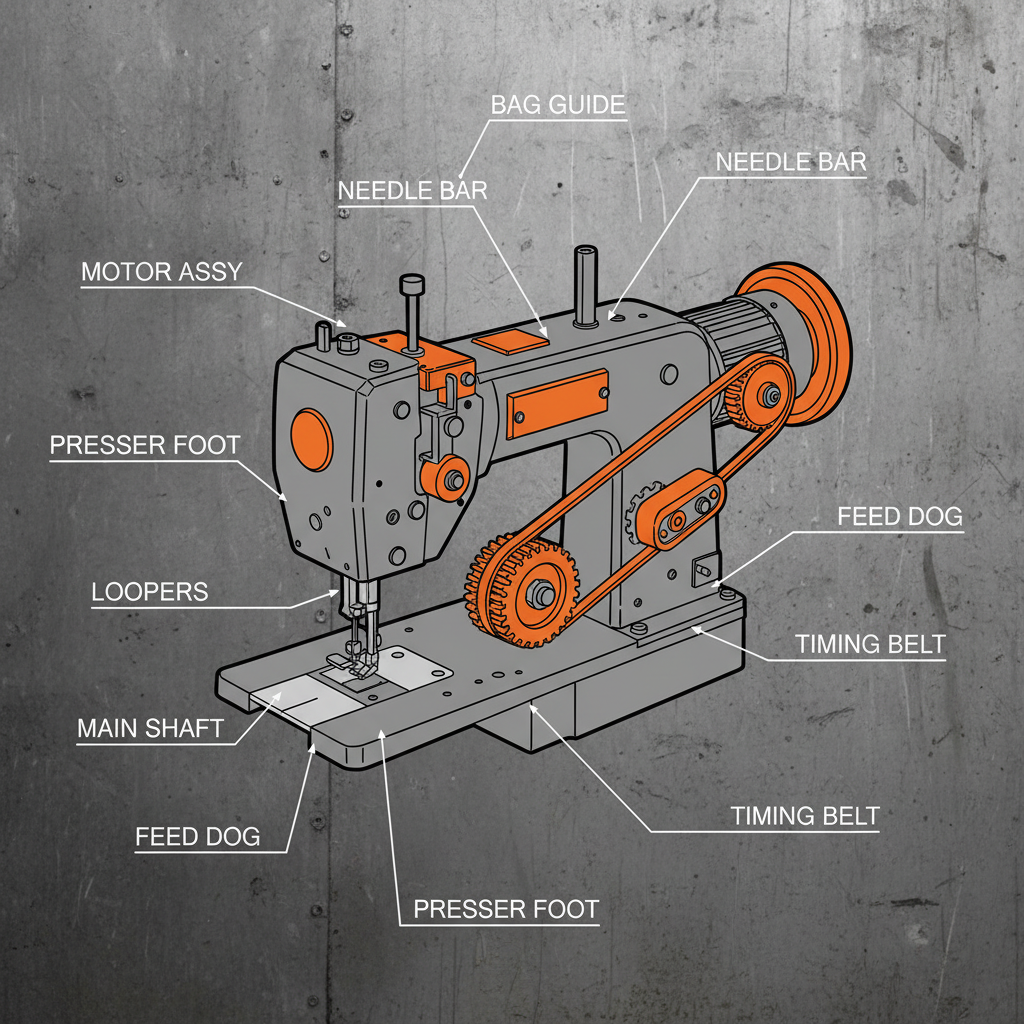
The Engineering Excellence of the Capital Bag Closer Machine
A capital bag closer machine is engineered to handle the rigors of a continuous production environment. Unlike standard sewing machines, these industrial closers are built with reinforced frames and high-torque motors to penetrate thick, woven fabrics without stalling. The precision timing of the needle and looper ensures a tight, leak-proof stitch that can withstand the pressure of stacked bags in a warehouse. By automating the closing process, businesses can achieve a consistent seal that is far superior to manual tying or taping, which often fails under heavy loads.
Key Advantage: The integration of advanced lubrication systems and heat-resistant components allows these machines to operate for extended shifts with minimal downtime, maximizing your ROI.
Comparing Manual vs. Automated Capital Bag Closer Machine Systems
When deciding between a handheld portable unit and a fully automated stationary system, it is essential to evaluate your daily volume. Portable capital bag closer machine models offer unparalleled flexibility for low-volume batches or oddly shaped bags. Conversely, automated conveyor-fed systems are designed for high-speed lines where consistency and speed are non-negotiable. While the initial investment for automation is higher, the reduction in labor costs and the elimination of human error make it the logical choice for scaling enterprises.
Industry Applications for the Capital Bag Closer Machine
The versatility of the capital bag closer machine makes it indispensable across various sectors. In agriculture, it is used for bagging seeds and fertilizers where moisture protection is critical. In the chemical industry, it ensures that hazardous powders are sealed tightly to prevent environmental contamination. Even in food processing, these machines provide a hygienic and secure way to close large sacks of flour or sugar. The ability to adjust stitch length and tension allows operators to adapt the machine to different material weights, from lightweight polypropylene to heavy canvas.
Technical Specifications of the Capital Bag Closer Machine
Understanding the technical parameters is key to selecting the right model for your facility. A high-quality capital bag closer machine typically features a high-speed chain stitch, which is preferred because it can be easily unraveled if the end customer needs to open the bag without damaging the contents. The following specifications outline the typical performance metrics of our professional-grade equipment:
Maintenance Tips for Prolonging Machine Life
To ensure your capital bag closer machine continues to perform at its peak, a strict maintenance schedule is required. Dust and fibers from the bags often accumulate in the looper and needle area, which can lead to skipped stitches or thread breakage. Daily cleaning with compressed air and weekly lubrication of moving parts are essential steps. Additionally, replacing the needle regularly prevents fabric damage and maintains a clean seal. Investing in genuine spare parts ensures that the machine's calibration remains accurate over years of operation.
Essential Maintenance Checklist:
• Remove lint and debris from the feed dog area every shift
• Check thread tension settings before starting a new material batch
• Apply industrial-grade lubricant to the main shaft weekly
• Inspect the power cord and plug for wear and tear
Maximizing ROI with Industrial Bag Closing Solutions
Investing in a capital bag closer machine is not just about buying a tool; it is about optimizing your entire supply chain. By reducing the time spent per bag, you can increase your daily output and meet tighter delivery deadlines. Furthermore, the professional appearance of a machine-stitched bag enhances your brand image, signaling to customers that your products are handled with care and professional precision. When you combine the right equipment with a trained workforce, the result is a leaner, more profitable packaging operation.
Conclusion: Future-Proof Your Packaging with Longsew
The capital bag closer machine represents the perfect intersection of durability and efficiency. From its robust construction to its versatility across industries, it is designed to meet the challenges of modern industrial packaging. By prioritizing seal integrity and operational speed, businesses can significantly lower their overhead while increasing product safety. Explore the professional range of solutions at Longsew and take the first step toward a more efficient production line today.
Frequently Asked Questions (FAQs)
What types of bags can the capital bag closer machine seal?
The capital bag closer machine is designed for versatility. It can effectively seal a wide variety of materials, including woven polypropylene (PP), polyethylene (PE), burlap, jute, and heavy-duty multi-wall paper bags. This makes it an ideal choice for industries ranging from agriculture and chemical manufacturing to food and construction. The machine's adjustable settings allow it to handle different fabric densities, ensuring that the stitch is neither too loose (which would compromise the seal) nor too tight (which could tear the fabric).
How do I choose between a portable and a stationary closer?
The choice depends primarily on your production volume and workflow. A portable capital bag closer machine is best for businesses that have smaller batches, use bags of varying sizes, or need to move the machine to different parts of the warehouse. A stationary or automated system is recommended for high-volume production lines where bags move on a conveyor belt. Automation ensures a perfectly uniform seal every time and drastically reduces the labor cost per unit, making it more cost-effective for large-scale operations.
Is the thread used in these machines waterproof?
The machine itself can use various types of thread depending on the user's needs. For applications where moisture resistance is required, we recommend using synthetic polyester threads, which do not rot or degrade when exposed to damp environments. While the thread itself can be water-resistant, the integrity of the seal also depends on the stitch density. For maximum protection, some users combine the stitching process with an outer heat-seal or a plastic over-wrap. You can find the best compatible threads and accessories on the Longsew website.
How often should the needle be replaced?
Needle replacement frequency varies based on the abrasive nature of the bag material. For soft woven bags, a needle may last several weeks; however, for abrasive materials like burlap or reinforced plastics, the needle can dull faster. We recommend inspecting the needle daily for any signs of bending or blunting. A dull needle increases the risk of fabric tearing and causes uneven stitches. Replacing the needle as soon as performance dips prevents larger mechanical issues and ensures your packaging maintains a professional look.
Latest news
-
Industrial Bag Sewing Machine Price and Comprehensive Buying GuideNewsApr.16,2026
-
Industrial Hand Held Bag Closer for Efficient Packaging SealingNewsApr.16,2026
-
Industrial Hand Held Bag Closer Sewing Machine for PackagingNewsApr.16,2026
-
Efficient Industrial Bag Closer Sewing Machine for PackagingNewsApr.16,2026
-
Industrial Sewing Guide for Choosing the Right Closer MachineNewsApr.16,2026
-
Guide to Capital Bag Closer Machine Price and Buying FactorsNewsApr.16,2026
-
Say goodbye to inefficient cutting! This heavy-duty webbing hot cutting machine redefines the new standard for industrial cuttingNewsApr.14,2026

Hebei LongSew Machinery Technology Co. Ltd is beginning as sewing machine parts supplier, now Longsew have over twenty years experience in complete set sewing machine offering.


CLASSIFICATION
CONTACT US
-

No.368 North Youyi Street, Shijiazhuang City, Hebei Province, China
-

-

Copyright © 2026 HEBEI LONGSEW MACHINERY TECHNOLOGY CO. LTD All Rights Reserved. Sitemap | Privacy Policy | Top Blog | Global Service