

Mar . 09, 2026 01:55
Back to list
Choosing the Best High Speed Overlock Sewing Machine for Your Business Needs
Choosing the Right High Speed Overlock Sewing Machine for Your Business
In the fast-paced world of garment manufacturing and textile production, efficiency and quality are paramount. A high speed overlock sewing machine is a crucial component in achieving both. This article delves into the features, benefits, and considerations when selecting the right overlock machine for your specific needs. We’ll explore the key aspects to ensure you make an informed decision that optimizes your production process and delivers superior results. From understanding different machine types to analyzing performance metrics, this guide will equip you with the knowledge you need to choose the perfect machine for your business.
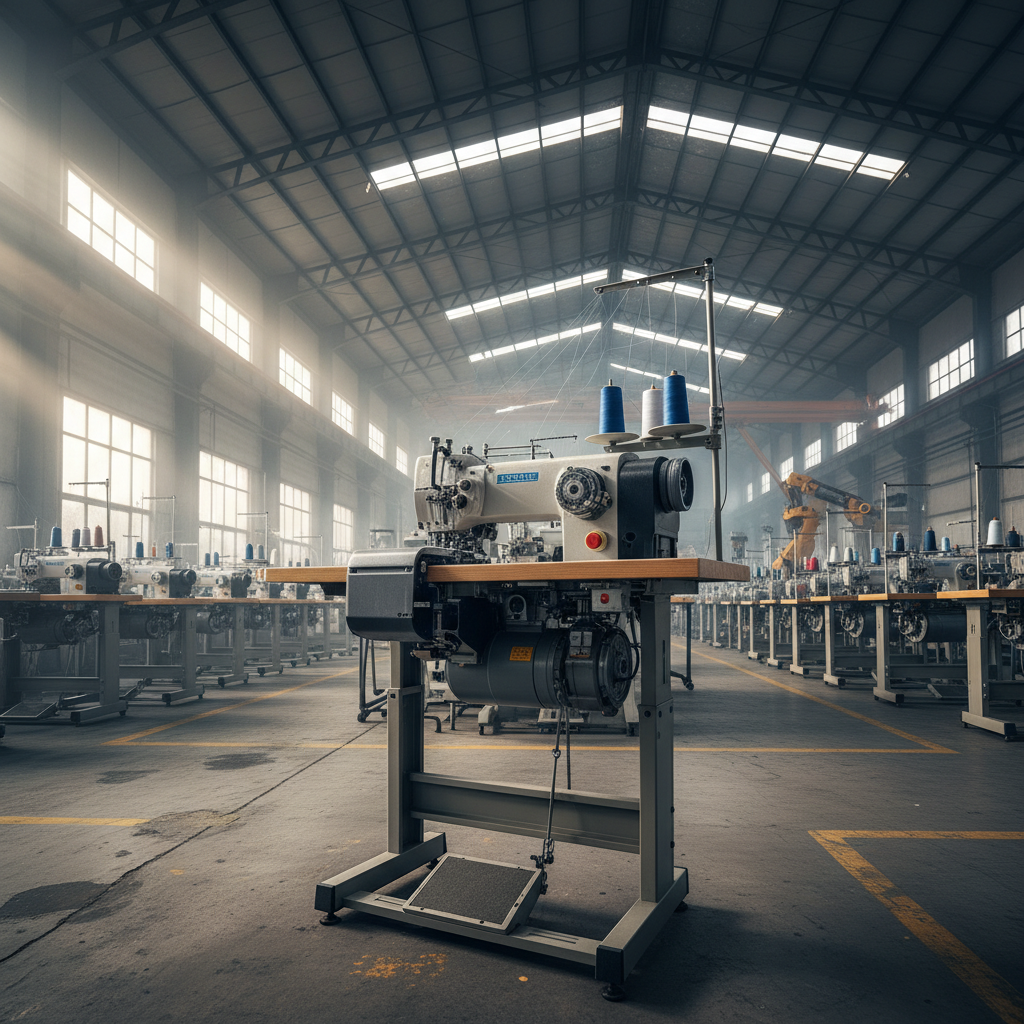
Understanding High Speed Overlock Sewing Machines
A high speed overlock sewing machine, also known as a serger, is designed to simultaneously stitch a seam, trim excess fabric, and overcast the raw edge to prevent fraying. This makes it an essential tool for creating professional-looking garments and textiles. The “high speed” aspect refers to the machine's ability to execute these operations rapidly, significantly increasing production output. These machines are frequently utilized in industries such as apparel manufacturing, upholstery, and textile finishing. Choosing the right machine involves considering factors like stitch types, feed mechanisms, and automation features. A quality Longsew overlock machine will offer reliability and consistent performance.
Key Benefit: Increased production speed and enhanced seam quality translate into cost savings and a competitive edge in the market.
Key Features to Look for in a High Speed Overlock Sewing Machine
When evaluating high speed overlock sewing machines, several key features should be prioritized. These include automatic lubrication systems to minimize maintenance and ensure smooth operation, adjustable stitch length and width for versatility, and a robust feed mechanism to handle a variety of fabric types. Look for models with differential feed, which prevents fabric stretching or puckering, especially important when working with knit fabrics. An integrated air blowing system helps clear away fabric scraps, improving visibility and efficiency. Consider features like automatic thread trimming for added convenience and reduced downtime. The machine's ease of use and ability to accommodate different needles and looper types are also crucial factors.
Essential Features:
• Automatic Lubrication
• Adjustable Stitch Length & Width
• Differential Feed
• Integrated Air Blowing System
High Speed Overlock Sewing Machine Comparison: Direct Drive vs. Traditional
Two primary drive systems dominate the high speed overlock market: direct drive and traditional (belt-driven). Direct drive machines, like those offered by Longsew, offer superior energy efficiency, reduced noise levels, and more precise control. They also require less maintenance as there are fewer moving parts. Traditional belt-driven machines are often more affordable upfront, but they tend to be louder, less energy-efficient, and require more frequent belt replacements. The following table highlights a detailed comparison:
Factors Affecting Machine Speed and Performance
The actual speed and performance of a high speed overlock sewing machine are influenced by several factors. These include the operator's skill level, the type of fabric being processed (e.g., lightweight knits vs. heavy denim), the thread type and tension settings, and the maintenance schedule. Regular cleaning, lubrication, and needle replacements are essential for maintaining optimal performance. Proper thread tension is crucial to avoid skipped stitches or puckered seams. Training operators on best practices for machine operation and maintenance will significantly improve efficiency and reduce downtime.
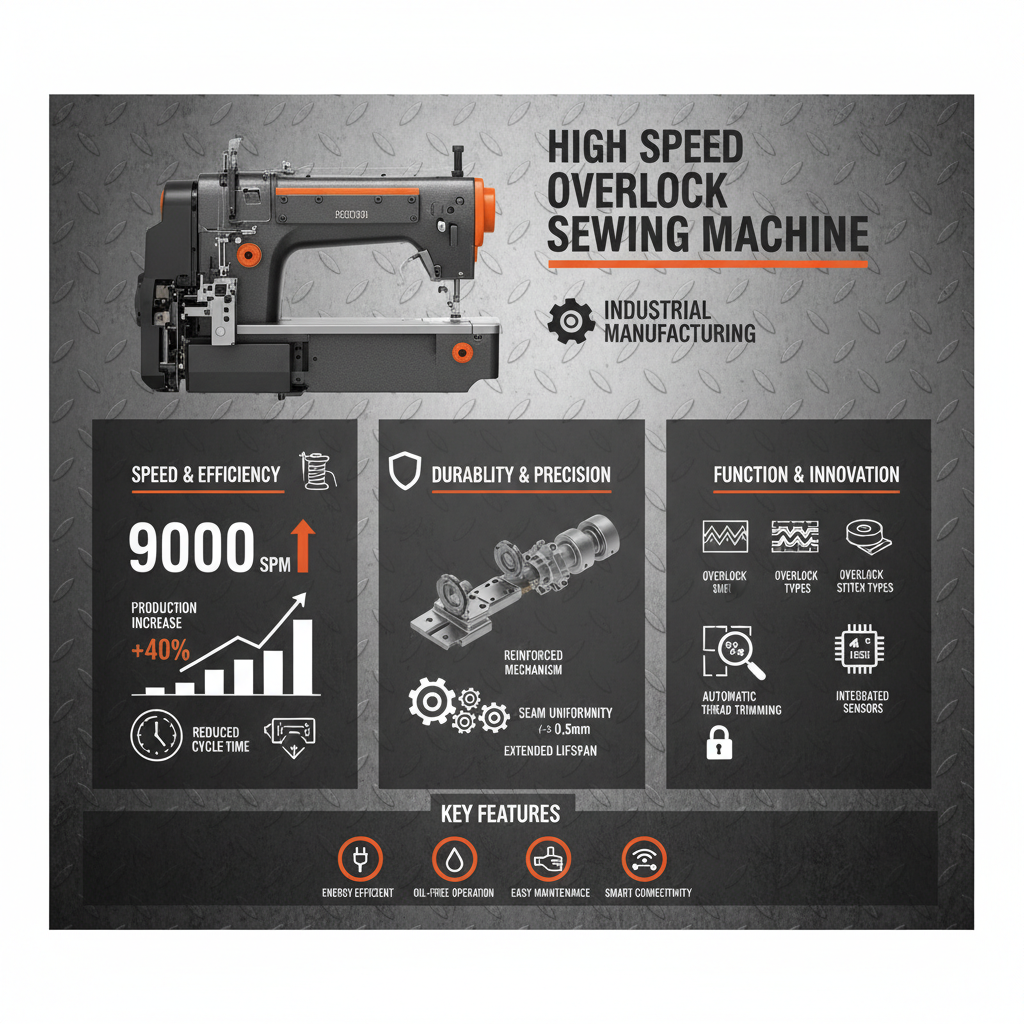
Longsew: Your Trusted Partner for High Speed Overlock Solutions
At Longsew, we offer a comprehensive range of high speed overlock sewing machines designed to meet the diverse needs of modern textile production. Our machines are engineered for durability, precision, and high performance. We provide dedicated support, including installation, training, and ongoing maintenance services. We understand that investing in a sewing machine is a significant decision, and our team is committed to helping you find the perfect solution for your business. Contact us today to learn more about our product offerings and how we can help you optimize your production process.
Conclusion: Invest in Efficiency with Longsew
Choosing the right high speed overlock sewing machine is crucial for optimizing production and ensuring high-quality results. Longsew’s commitment to innovation, reliability, and customer support makes us a trusted partner for businesses of all sizes. Don’t compromise on efficiency – choose Longsew for your sewing machine needs.
Frequently Asked Questions (FAQs)
What types of fabrics can a high speed overlock machine handle?
Most high speed overlock machines are versatile and can handle a wide range of fabrics, including woven fabrics like cotton and linen, as well as knit fabrics like jersey and fleece. However, the specific capabilities will depend on the machine's design and features. Machines with differential feed are particularly well-suited for working with stretchy knit fabrics, as they prevent puckering and ensure a smooth, even seam. For heavier fabrics like denim or canvas, a machine with a more powerful motor and robust feed mechanism will be necessary. Longsew machines are designed to handle a diverse range of fabrics efficiently.
How often should I perform maintenance on my overlock machine?
Regular maintenance is crucial for ensuring the longevity and optimal performance of your overlock machine. At a minimum, you should clean the machine daily to remove lint and debris. Lubricate moving parts weekly or as recommended by the manufacturer. Needles and loopers should be replaced regularly, depending on usage, typically every few months. It's also important to check and adjust the thread tension periodically. Refer to your machine's manual for specific maintenance instructions and schedules. Longsew offers comprehensive maintenance support and services.
What is the benefit of a direct drive motor?
A direct drive motor offers several advantages over traditional belt-driven motors. It provides more precise control over the sewing speed, resulting in improved stitch quality. Direct drive motors are also more energy-efficient and operate more quietly. They require less maintenance as there are fewer moving parts to wear out or break. Overall, a direct drive motor enhances productivity and reduces operating costs.
What stitch types can an overlock machine create?
Overlock machines are primarily designed to create overlock stitches, which finish the raw edges of fabric to prevent fraying. However, many machines can also create rolled hems, flatlock stitches, and decorative stitches by using different looper settings and attachments. The versatility of an overlock machine allows it to be used for a wide range of applications, from garment construction to creating decorative edging on textiles.
Latest news
-
Industrial Bag Sewing Machine Price and Comprehensive Buying GuideNewsApr.16,2026
-
Industrial Hand Held Bag Closer for Efficient Packaging SealingNewsApr.16,2026
-
Industrial Hand Held Bag Closer Sewing Machine for PackagingNewsApr.16,2026
-
Efficient Industrial Bag Closer Sewing Machine for PackagingNewsApr.16,2026
-
Industrial Sewing Guide for Choosing the Right Closer MachineNewsApr.16,2026
-
Guide to Capital Bag Closer Machine Price and Buying FactorsNewsApr.16,2026
-
Say goodbye to inefficient cutting! This heavy-duty webbing hot cutting machine redefines the new standard for industrial cuttingNewsApr.14,2026

Hebei LongSew Machinery Technology Co. Ltd is beginning as sewing machine parts supplier, now Longsew have over twenty years experience in complete set sewing machine offering.


CLASSIFICATION
CONTACT US
-

No.368 North Youyi Street, Shijiazhuang City, Hebei Province, China
-

-

Copyright © 2026 HEBEI LONGSEW MACHINERY TECHNOLOGY CO. LTD All Rights Reserved. Sitemap | Privacy Policy | Top Blog | Global Service