

Apr . 16, 2026 01:55
Back to list
Industrial Hand Held Bag Closer Sewing Machine for Packaging
Mastering Packaging Efficiency with a Hand Held Bag Closer Sewing Machine
In the fast-paced world of industrial packaging, speed and seal integrity are the cornerstones of operational success. A hand held bag closer sewing machine offers a portable and powerful solution for sealing everything from heavy-duty grain sacks to delicate plastic pouches. By replacing manual tying or expensive heat-sealing stations with a mobile sewing unit, businesses can drastically reduce labor costs and increase throughput. Whether you are managing a small warehouse or a large-scale production plant, understanding the nuances of these machines is key to optimizing your end-of-line process. In this guide, we will explore the technical advantages, applications, and selection criteria for these essential tools.
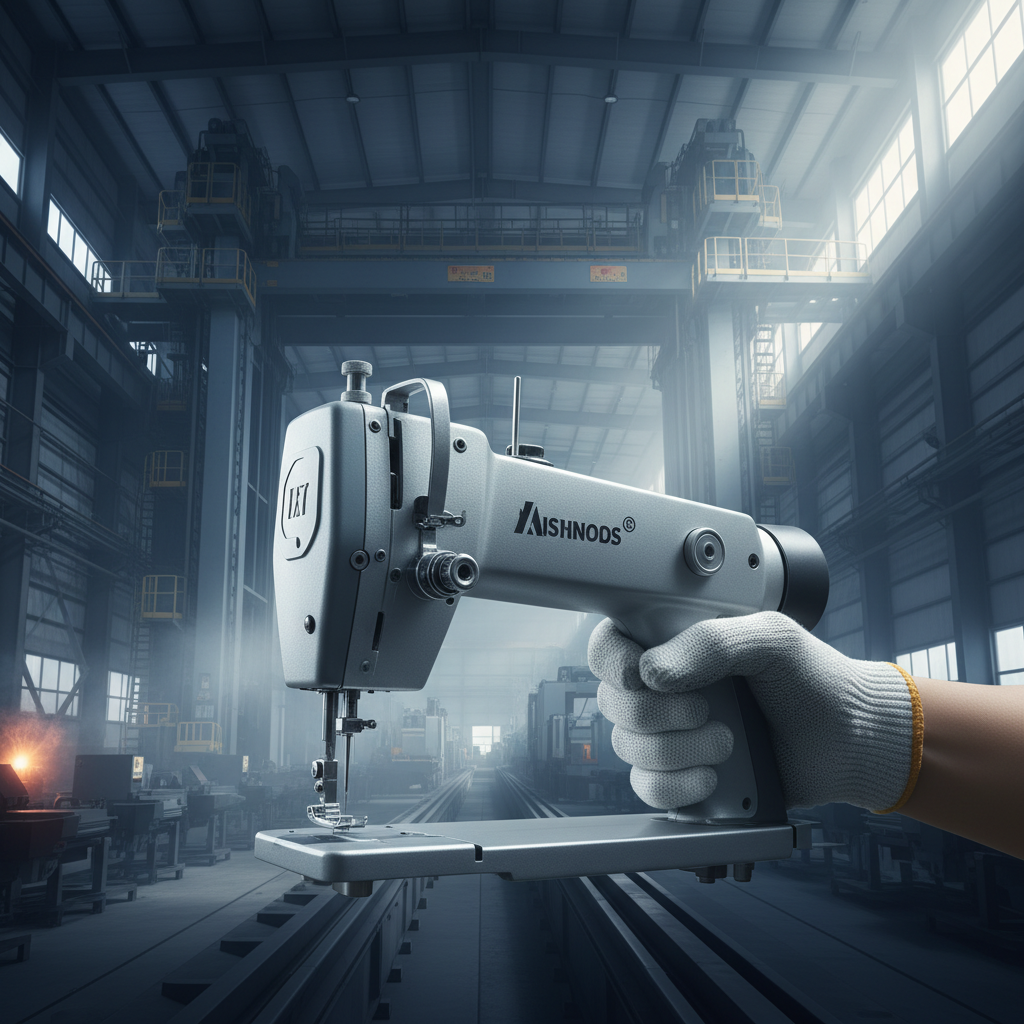
Core Advantages of Using a Hand Held Bag Closer Sewing Machine
The primary appeal of a hand held bag closer sewing machine lies in its versatility and ergonomics. Unlike stationary industrial sewers, these handheld units allow operators to move around the product, making them ideal for oversized bags or irregularly shaped parcels. They employ a chain-stitch mechanism that provides a secure, flexible closure that is resistant to bursting during transport. Additionally, the ability to adjust stitch length allows users to tailor the seal based on the material thickness, ensuring that neither thin plastics nor thick burlap are compromised. This flexibility makes it an indispensable tool for diverse logistics environments.
Key Efficiency Gains: Transitioning to handheld sewing typically reduces sealing time by up to 40% compared to manual methods, while ensuring a professional, tamper-evident finish that enhances brand trust.
Comparing Hand Held Bag Closers: Manual vs. Pneumatic
When selecting a hand held bag closer sewing machine, the biggest decision is often between a standard electric model and a pneumatic (air-powered) model. Standard electric machines are highly portable and easy to set up, making them perfect for low-to-medium volume operations. Pneumatic machines, however, are designed for high-intensity industrial environments where the operator needs to start and stop the machine rapidly via a trigger, reducing wrist fatigue. Below is a detailed comparison to help you determine which technology suits your production volume.
Key Applications of Hand Held Bag Closer Sewing Machines
The utility of a hand held bag closer sewing machine spans across multiple industries. In agriculture, it is the gold standard for sealing seed, grain, and fertilizer bags. In the food industry, it is used for coffee beans, flour, and pet food packaging. Beyond consumables, these machines are widely utilized in chemical packaging for powdered resins and minerals where a secure, leak-proof seal is mandatory for safety. The ability to handle different materials—from woven polypropylene to heavy canvas—makes these machines a universal asset for any shipping department.
Technical Specifications and Performance Metrics
To ensure you purchase the right equipment, it is essential to look at the technical specifications. A high-quality hand held bag closer sewing machine should offer a balance between weight (for operator comfort) and motor power (for penetration). The following table outlines the typical specifications found in professional-grade handheld closers, emphasizing the capability to handle various material densities.
Maintenance Tips for Long-Term Reliability
Like any precision tool, a hand held bag closer sewing machine requires consistent maintenance to prevent downtime. The most critical aspect is lubrication; the internal moving parts operate at high speeds and generate friction. Regular oiling prevents wear and tear on the drive gears. Additionally, checking the needle for blunting or bending is vital, as a damaged needle can cause skipped stitches or tear the fabric of the bag. Clearing lint and dust from the feed dogs every shift ensures a smooth flow of material, maintaining a consistent stitch quality.
Quick Maintenance Checklist:
• Daily: Clean lint from the sewing head and feed dogs.
• Weekly: Apply high-grade machine oil to all lubrication points.
• Per Shift: Inspect the needle for wear and replace if necessary.
• Monthly: Check the belt tension and electrical cord integrity.
Choosing the Right Machine for Your Business
Selecting the ideal hand held bag closer sewing machine involves evaluating your material types and daily output. For businesses dealing with lightweight plastic bags, a lower-power, lightweight machine is sufficient. However, if you are sealing multi-layer woven bags, you need a machine with a high-torque motor and a reinforced chassis. It is also important to consider the availability of spare parts, such as bobbins and needles. Investing in a reputable brand ensures that your production line doesn't come to a halt due to a lack of simple consumables.
Conclusion: Streamlining Your Packaging Workflow
Integrating a hand held bag closer sewing machine into your operation is one of the most cost-effective ways to professionalize your packaging. By providing a secure, industrial-strength seal and reducing manual labor, these machines allow businesses to scale their output without compromising on quality. Whether you prioritize the portability of an electric model or the high-speed efficiency of a pneumatic system, the right choice will lead to significant long-term gains in productivity and packaging security.
Frequently Asked Questions (FAQs)
What materials can a hand held bag closer sewing machine handle?
These machines are incredibly versatile and can handle a wide range of materials. The most common include woven polypropylene, burlap, jute, heavy-duty paper, and multi-layer plastic films. The key to success is matching the needle size and thread type to the thickness of the material. For very thick fabrics, a larger needle and high-tensile polyester thread are recommended to prevent breakage and ensure a strong seal.
How do I prevent the machine from skipping stitches?
Skipped stitches are usually caused by three main factors: a dull or bent needle, incorrect thread tension, or a buildup of lint in the feed mechanism. First, replace the needle with a fresh one. Second, adjust the tension dial to ensure the thread is not too loose. Finally, use compressed air to blow out any debris from the bobbin area. If the problem persists, check the timing of the hook and needle, which may require professional calibration from a technician.
Is it difficult to train employees to use a handheld bag closer?
Not at all. Most operators can become proficient with a hand held bag closer sewing machine within a few hours of training. The primary skills required are maintaining a steady hand to guide the bag and understanding how to thread the machine correctly. We recommend providing a basic training session on safety, lubrication, and basic troubleshooting to ensure the equipment is treated with care and lasts for several years.
What thread is best for industrial bag closing?
For industrial applications, high-tenacity polyester thread is the gold standard. It offers a superior combination of strength, abrasion resistance, and resistance to rot or chemicals. Depending on the application, you can choose different thicknesses (deniers). For heavy grain bags, a thicker, bonded thread is ideal, while for lighter plastic bags, a finer polyester thread prevents the material from tearing at the stitch points.
Latest news
-
Industrial Bag Sewing Machine Price and Comprehensive Buying GuideNewsApr.16,2026
-
Efficient Industrial Bag Closer Sewing Machine for PackagingNewsApr.16,2026
-
Industrial Hand Held Bag Closer for Efficient Packaging SealingNewsApr.16,2026
-
Industrial Sewing Guide for Choosing the Right Closer MachineNewsApr.16,2026
-
Guide to Capital Bag Closer Machine Price and Buying FactorsNewsApr.16,2026
-
Say goodbye to inefficient cutting! This heavy-duty webbing hot cutting machine redefines the new standard for industrial cuttingNewsApr.14,2026
-
LS300 Series Automatic Pattern Sewing Machine High-Efficiency Model for Safety Harness, Lifting Slings & Heavy-Duty WebbingNewsApr.10,2026

Hebei LongSew Machinery Technology Co. Ltd is beginning as sewing machine parts supplier, now Longsew have over twenty years experience in complete set sewing machine offering.


CLASSIFICATION
CONTACT US
-

No.368 North Youyi Street, Shijiazhuang City, Hebei Province, China
-

-

Copyright © 2026 HEBEI LONGSEW MACHINERY TECHNOLOGY CO. LTD All Rights Reserved. Sitemap | Privacy Policy | Top Blog | Global Service