

Mar . 10, 2026 01:55
Back to list
Comprehensive Guide to Industrial Overlocker Prices and Selection
Understanding Industrial Overlocker Prices: A Comprehensive Guide
Investing in an industrial overlocker is a significant decision for any apparel or textile business. Understanding the factors that influence industrial overlocker prices is crucial to making an informed choice. This article will delve into the different types of overlockers, their features, pricing considerations, and how to find the best value for your needs. We'll cover everything from basic models to high-end machines, helping you navigate the market and secure the perfect overlocker for your production requirements.
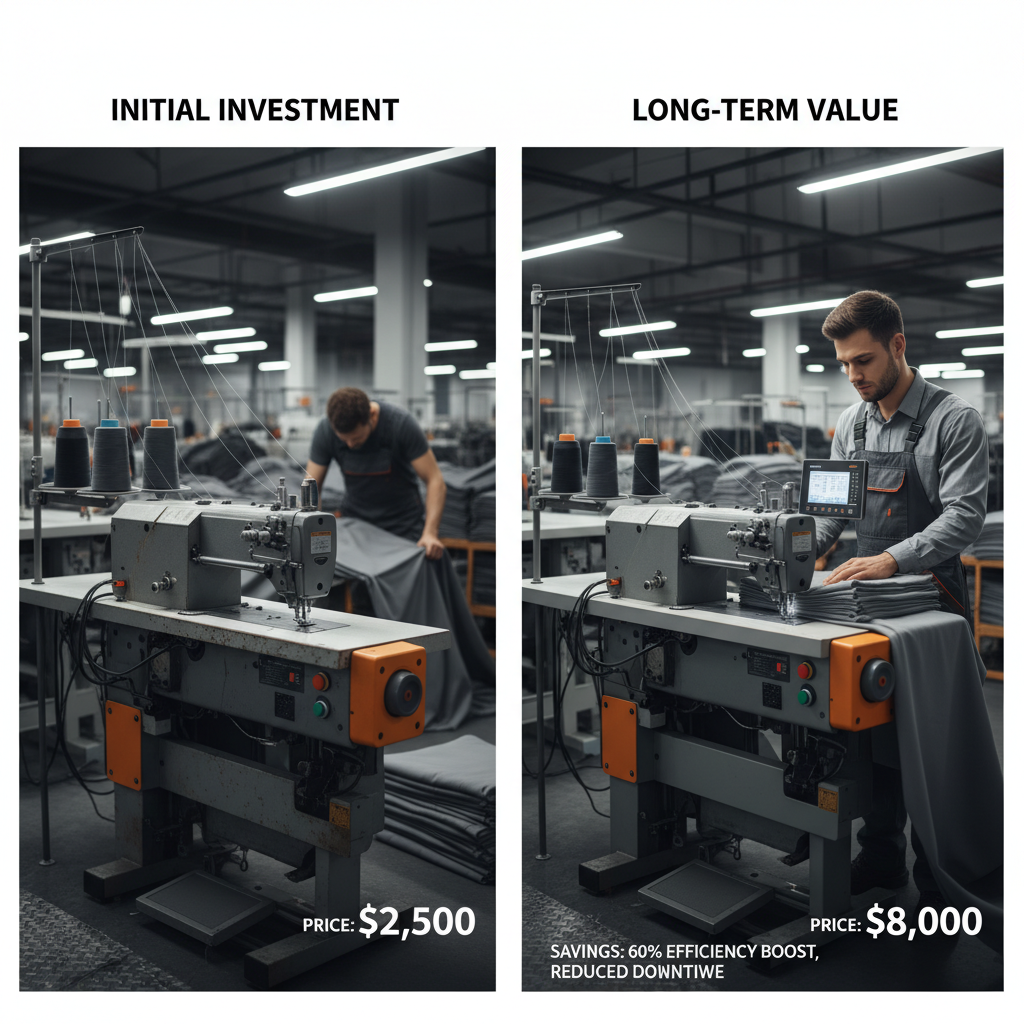
Types of Industrial Overlockers and Their Price Ranges
Industrial overlockers come in various configurations, each designed for specific applications. The most common types include 3-thread, 4-thread, 5-thread, and 6-thread overlockers. The number of threads directly impacts the stitch type, durability, and overall cost. 3-thread overlockers are typically used for finishing lightweight fabrics and are the most affordable option. 4-thread overlockers offer greater stitch security and are ideal for medium-weight fabrics. 5 and 6-thread overlockers provide even greater durability and are often used for heavy-duty applications like jeans or workwear. Longsew offers a diverse range of models to suit different production needs.
Key Takeaway: The more threads an overlocker has, the greater its stitching security and the higher its price. Selecting the right thread count depends on the fabric weight and desired durability.
Factors Influencing Industrial Overlocker Prices
Several factors contribute to the price of an industrial overlocker. Brand reputation, machine features, automation level, and manufacturing origin all play a role. Established brands known for their quality and reliability generally command higher prices. Machines with advanced features, such as automatic thread trimming, differential feed, and programmable stitch patterns, are also more expensive. Furthermore, the level of automation – manual, semi-automatic, or fully automatic – significantly impacts the cost. Machines manufactured in countries with higher labor costs tend to be pricier.
A Price Comparison of Popular Industrial Overlocker Models
To give you a better understanding of industrial overlocker prices, here's a comparison of some popular models available on the market:
Hidden Costs to Consider
Beyond the initial purchase price, remember to factor in additional costs such as shipping, installation, training, and ongoing maintenance. Spare parts (needles, loopers, blades) will also need to be replaced periodically. It's also wise to budget for potential repair costs. Longsew provides comprehensive support and a readily available supply of spare parts to minimize downtime and ensure your machine runs smoothly.
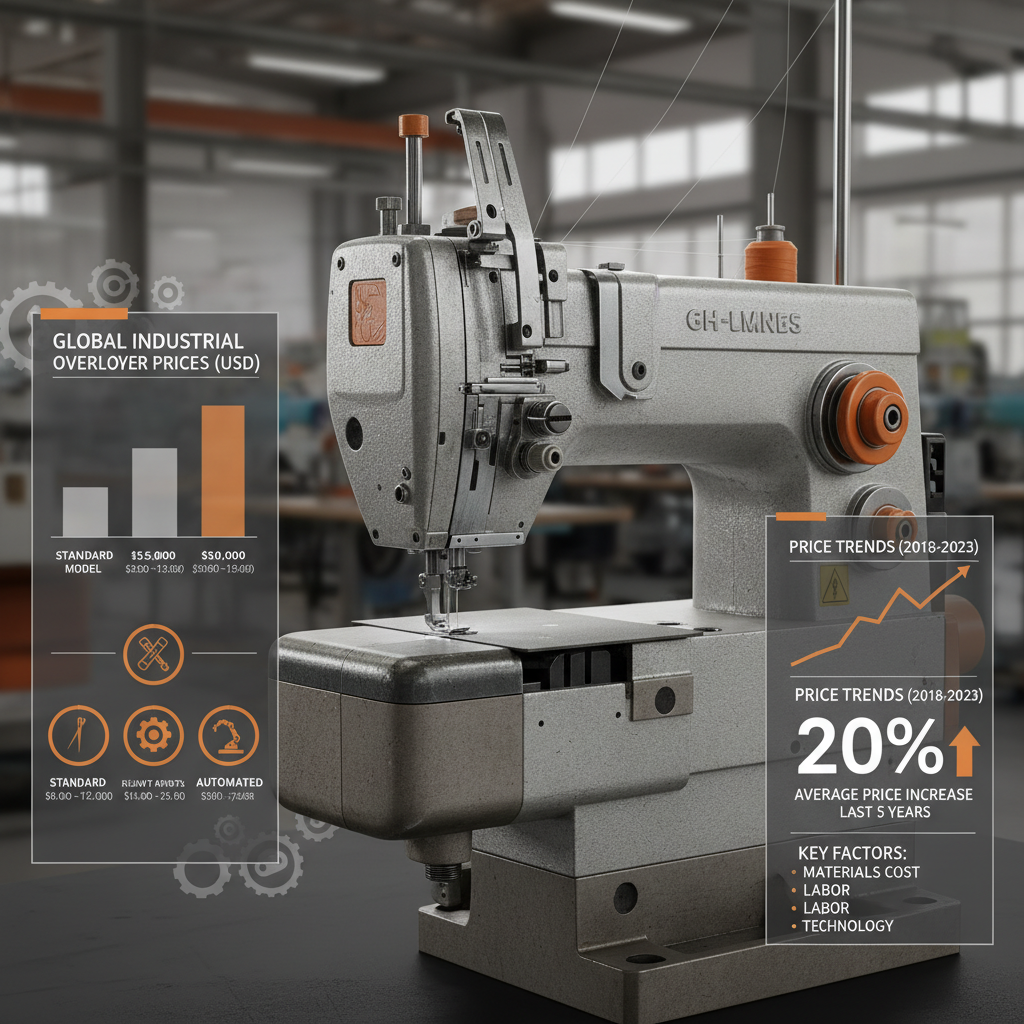
Maximizing Value When Purchasing an Industrial Overlocker
To get the best value for your investment, consider your specific production needs, research different brands and models, compare prices from multiple suppliers, and read customer reviews. Don't hesitate to ask for quotes and negotiate with suppliers. Look for machines with energy-efficient features to reduce operating costs. Finally, prioritize a supplier who offers excellent customer support and a reliable warranty. Longsew's commitment to quality and customer satisfaction makes them a trusted partner for businesses of all sizes.
Conclusion: Making an Informed Decision
Understanding industrial overlocker prices and the factors that influence them is crucial for making a smart investment. By carefully evaluating your needs, researching your options, and considering the total cost of ownership, you can find the perfect overlocker to enhance your production efficiency and ensure high-quality results.
Frequently Asked Questions (FAQs)
What is the typical lifespan of an industrial overlocker?
With proper maintenance and care, a high-quality industrial overlocker can last for 10-15 years or even longer. Regular oiling, cleaning, and timely replacement of worn parts are essential for extending its lifespan. Avoid overloading the machine with excessively heavy fabrics, and ensure it's operated by trained personnel. Consistent preventative maintenance will prevent costly repairs and maximize its operational life.
What are the main differences between a 4-thread and a 6-thread overlocker?
A 4-thread overlocker creates a secure and durable seam, making it suitable for most apparel applications. A 6-thread overlocker adds a chain stitch in addition to the overlock stitch, resulting in an exceptionally strong and resilient seam. This makes it ideal for heavy-duty fabrics like denim, leather, and workwear, where maximum durability is required. The 6-thread overlocker is also less likely to unravel if the fabric is subjected to stress or abrasion.
How often should I oil my industrial overlocker?
Regular oiling is crucial for maintaining the smooth operation of your industrial overlocker. As a general guideline, oiling should be done before each shift or at least once a week, depending on usage. Refer to your machine's manual for specific oiling points and recommended oil types. Proper lubrication reduces friction, prevents wear and tear, and ensures consistent stitch quality.
Latest news
-
Industrial Bag Sewing Machine Price and Comprehensive Buying GuideNewsApr.16,2026
-
Industrial Hand Held Bag Closer for Efficient Packaging SealingNewsApr.16,2026
-
Industrial Hand Held Bag Closer Sewing Machine for PackagingNewsApr.16,2026
-
Efficient Industrial Bag Closer Sewing Machine for PackagingNewsApr.16,2026
-
Industrial Sewing Guide for Choosing the Right Closer MachineNewsApr.16,2026
-
Guide to Capital Bag Closer Machine Price and Buying FactorsNewsApr.16,2026
-
Say goodbye to inefficient cutting! This heavy-duty webbing hot cutting machine redefines the new standard for industrial cuttingNewsApr.14,2026

Hebei LongSew Machinery Technology Co. Ltd is beginning as sewing machine parts supplier, now Longsew have over twenty years experience in complete set sewing machine offering.


CLASSIFICATION
CONTACT US
-

No.368 North Youyi Street, Shijiazhuang City, Hebei Province, China
-

-

Copyright © 2026 HEBEI LONGSEW MACHINERY TECHNOLOGY CO. LTD All Rights Reserved. Sitemap | Privacy Policy | Top Blog | Global Service